Short answer · Medically reviewed summary · Last updated: 2026-04-06
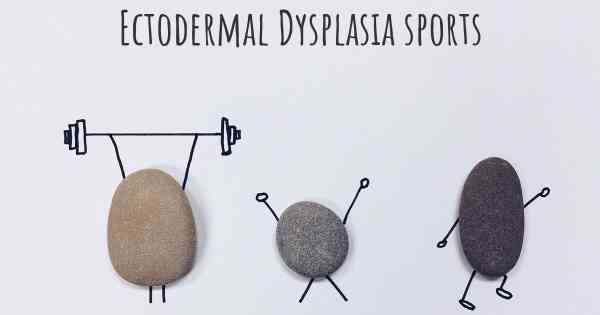
Exercise is generally highly recommended for individuals with Ectodermal Dysplasia, provided that strict environmental temperature control and hydration protocols are prioritized to manage the core symptom of heat intolerance. Safe and Beneficial Activities Because many individuals with Ectodermal Dysplasia have impaired sweat gland function (hypohidrosis), the primary goal of physical activity is to maintain a stable core body temperature. Swimming in temperature-regulated pools is often the gold standard, as the water provides natural cooling while offering low-impact resistance training.
2 people with Ectodermal Dysplasia have shared their first-person experience on this question at DiseaseMaps.
Exercise is generally highly recommended for individuals with Ectodermal Dysplasia, provided that strict environmental temperature control and hydration protocols are prioritized to manage the core symptom of heat intolerance.
Because many individuals with Ectodermal Dysplasia have impaired sweat gland function (hypohidrosis), the primary goal of physical activity is to maintain a stable core body temperature. Swimming in temperature-regulated pools is often the gold standard, as the water provides natural cooling while offering low-impact resistance training. Walking in climate-controlled environments like shopping malls or indoor tracks, as well as restorative yoga, are excellent ways to build cardiovascular health and muscle tone without triggering overheating.
Activities to approach with extreme caution include high-intensity interval training, outdoor sports in direct sunlight, or any exercise in hot, humid weather. If you are living with Ectodermal Dysplasia, always start an exercise program by consulting your physician to establish a baseline for your heat tolerance. Use a "pacing" strategy: begin with short, 10–15 minute sessions and monitor your body’s response closely. On days when you feel fatigued or if the ambient temperature is high, switch to gentle stretching or indoor mobility exercises rather than pushing through high-exertion routines.
Physical therapy is invaluable for patients with Ectodermal Dysplasia, particularly to address joint flexibility or muscle weakness that may result from secondary complications. A physical therapist can help design a custom regimen that strengthens core stability and improves range of motion while teaching you how to recognize the early signs of hyperthermia. Regular, moderate movement is not only safe but essential for boosting mood, maintaining bone density, and improving overall quality of life for those in the Ectodermal Dysplasia community.
Medical Disclaimer: This information is for educational purposes only and does not replace professional medical advice. Always consult with your healthcare team before beginning a new exercise program, especially regarding your specific heat tolerance thresholds.