Short answer · Medically reviewed summary · Last updated: 2026-05-08

Yes, exercise is generally recommended and highly beneficial for individuals with Factor V deficiency, provided it is approached with appropriate medical oversight. Staying active helps maintain joint stability, improves cardiovascular health, and boosts mental well-being, though patients must avoid high-impact activities that carry a significant risk of injury or trauma. Is physical activity safe for those with Factor V deficiency? For individuals living with Factor V deficiency, a rare bleeding disorder, movement is essential for long-term health.

6

Is it advisable to do exercise when affected by Factor V Deficiency? Which activities would you suggest and how intense should they be?

Exercise with Factor V Deficiency: which activities patients recommend or avoid, and what the evidence says.
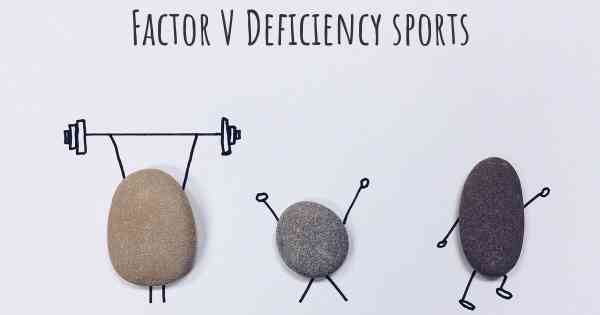
Factor V Deficiency sports

Yes, exercise is generally recommended and highly beneficial for individuals with Factor V deficiency, provided it is approached with appropriate medical oversight. Staying active helps maintain joint stability, improves cardiovascular health, and boosts mental well-being, though patients must avoid high-impact activities that carry a significant risk of injury or trauma.


Is physical activity safe for those with Factor V deficiency?


For individuals living with Factor V deficiency, a rare bleeding disorder, movement is essential for long-term health. Because Factor V deficiency can lead to easy bruising or internal bleeding, the primary goal is to choose activities that minimize the risk of impact or falls. Regular, low-impact exercise strengthens the muscles surrounding your joints, which can actually help protect you from accidental injuries that might otherwise cause bleeding episodes.


What types of exercise are recommended for Factor V deficiency?


When managing Factor V deficiency, focus on activities that allow for controlled movement and steady progression. Consider these options:


  • Walking or light hiking: Excellent for cardiovascular health with low injury risk.

  • Swimming or water aerobics: The buoyancy of water reduces joint stress and provides a safe environment for resistance training.

  • Yoga or Pilates: These improve flexibility and core strength, which are vital for balance and injury prevention.

  • Light strength training: Using resistance bands or light weights under supervision can build the muscle support needed to protect joints.


How can I start an exercise program safely?


Before beginning any new regimen, consult your hematologist to assess your current clotting factor levels and determine if prophylactic treatment is needed before activity. Start with a 10-minute session and gradually increase intensity by no more than 10% each week. If you experience unexpected joint pain or swelling, which can be a sign of a bleed in Factor V deficiency, stop the activity immediately and contact your medical team.


What activities should be avoided?


Due to the bleeding risks associated with Factor V deficiency, avoid contact sports such as football, rugby, boxing, or martial arts. These high-impact activities significantly increase the likelihood of traumatic injury, which poses a serious challenge for those with Factor V deficiency. Always prioritize safety and listen to your body’s signals.


Next steps


  • Consult your hematologist to obtain medical clearance for specific exercise intensities.

  • Work with a physical therapist who has experience in treating patients with rare bleeding disorders.

  • Join our community at DiseaseMaps.org to connect with other members living with Factor V deficiency.


Medical disclaimer: This information is for educational purposes only and does not replace professional medical advice, diagnosis, or treatment.


References


  • NIH Genetic and Rare Diseases Information Center (GARD): Factor V Deficiency.

  • Orphanet: Rare bleeding disorders overview.

  • World Federation of Hemophilia (WFH): Exercise and sports guidelines.

  • OMIM: Factor V Deficiency entry #227400.

Author: DiseaseMaps Editorial Team
Reviewed against authoritative medical sources (NIH GARD, Orphanet, OMIM)
Last updated: 2026-05-08
Medical disclaimer: This information does not substitute professional medical advice. Always consult your doctor before making health decisions.
Source: DiseaseMaps.org
1 answer

Factor V Deficiency sports

Factor V Deficiency life expectancy

What is the life expectancy of someone with Factor V Deficiency?

1 answer
Celebrities with Factor V Deficiency

Celebrities with Factor V Deficiency

1 answer
Is Factor V Deficiency hereditary?

Is Factor V Deficiency hereditary?

1 answer
Is Factor V Deficiency contagious?

Is Factor V Deficiency contagious?

1 answer
ICD9 and ICD10 codes of Factor V Deficiency

ICD10 code of Factor V Deficiency and ICD9 code

1 answer
Natural treatment of Factor V Deficiency

Is there any natural treatment for Factor V Deficiency?

1 answer
Living with Factor V Deficiency

Living with Factor V Deficiency. How to live with Factor V Deficiency?

1 answer
Factor V Deficiency diet

Factor V Deficiency diet. Is there a diet which improves the quality of lif...

1 answer

World map of Factor V Deficiency

Find people with Factor V Deficiency through the map. Connect with them and share experiences. Join the Factor V Deficiency community.

Stories of Factor V Deficiency

FACTOR V DEFICIENCY STORIES

Tell your story and help others

Tell my story

Factor V Deficiency forum

FACTOR V DEFICIENCY FORUM

Ask a question and get answers from other users.

Ask a question

Find your symptoms soulmates

From now on you can add your symptoms in diseasemaps and find your symptoms soulmates. Symptoms soulmates are people with similar symptoms to you.

Symptoms soulmates

Add your symptoms and discover your soulmates map

Soulmates map