Short answer · Medically reviewed summary · Last updated: 2026-04-06

Regular, moderate physical activity is highly recommended for individuals with Hashimoto’s disease, as it can help manage fatigue, improve metabolic health, and support emotional well-being. When living with Hashimoto’s disease, the goal of exercise is to stimulate the body without triggering excessive systemic inflammation or adrenal fatigue. Because thyroid hormone levels directly impact muscle function and energy metabolism, it is essential to listen to your body’s signals rather than pushing through extreme exhaustion. Recommended Activities and Intensity Low-impact, aerobic, and restorative activities are generally the most sustainable for those with Hashimoto’s disease.

6 people with Hashimotos Disease have shared their first-person experience on this question at DiseaseMaps.

6

Is it advisable to do exercise when affected by Hashimotos Disease? Which activities would you suggest and how intense should they be?

Exercise with Hashimotos Disease: which activities patients recommend or avoid, and what the evidence says.
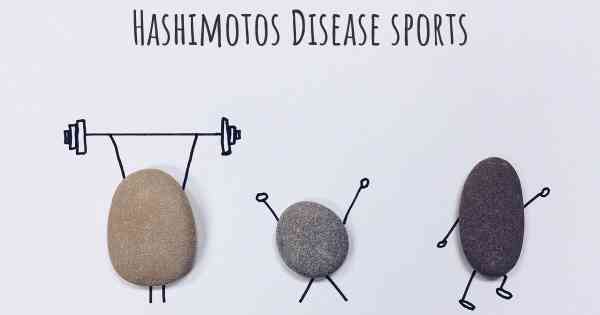
Hashimotos Disease sports

Regular, moderate physical activity is highly recommended for individuals with Hashimoto’s disease, as it can help manage fatigue, improve metabolic health, and support emotional well-being.


When living with Hashimoto’s disease, the goal of exercise is to stimulate the body without triggering excessive systemic inflammation or adrenal fatigue. Because thyroid hormone levels directly impact muscle function and energy metabolism, it is essential to listen to your body’s signals rather than pushing through extreme exhaustion.


Recommended Activities and Intensity


Low-impact, aerobic, and restorative activities are generally the most sustainable for those with Hashimoto’s disease. Excellent options include:


  • Walking: A gentle, rhythmic activity that improves circulation without overtaxing the joints.

  • Swimming or Water Aerobics: The buoyancy of water reduces joint stress, which is helpful if you experience thyroid-related aches.

  • Yoga and Pilates: These practices enhance flexibility and core strength while emphasizing breathwork, which can lower cortisol levels.

  • Strength Training: Using light weights or resistance bands helps maintain muscle mass, which is often affected by metabolic shifts in Hashimoto’s disease.


Pacing and Safety


Start slowly—perhaps just 10–15 minutes of light movement—and progress gradually. Always consult your endocrinologist before starting a new regimen to ensure your thyroid levels are optimized. On "flare-up" days, honor your body by choosing restorative movement like gentle stretching or restorative yoga instead of high-intensity interval training (HIIT), which may be too taxing during a symptomatic period.


The Role of Physical Therapy


If you experience chronic joint pain or muscle weakness, a physical therapist can design a personalized program. They can help identify mechanical imbalances and ensure your exercise routine supports, rather than depletes, your energy reserves. Remember that consistency, not intensity, is the key to long-term success in managing Hashimoto’s disease.


Medical Disclaimer: This information is for educational purposes only and does not replace professional medical advice, diagnosis, or treatment. Always consult with your healthcare provider before beginning any new exercise program to ensure it is appropriate for your specific health status.


References


  • NIH Genetic and Rare Diseases Information Center (GARD)

  • American Thyroid Association

  • Orphanet: Portal for rare diseases and orphan drugs

Author: DiseaseMaps Editorial Team
Reviewed against authoritative medical sources (NIH GARD, Orphanet, OMIM)
Last updated: 2026-04-06
Medical disclaimer: This information does not substitute professional medical advice. Always consult your doctor before making health decisions.
Source: DiseaseMaps.org
7 answers
You should still exercise normally, you should always ask your doctor's about how hard you should push it.

Posted May 27, 2017 by Lindsey 1100
Yes staying active is best but since many people with Thyroid issues also have issues with their Adrenal glands (think fight or flight response) you don't want to do things that are stessful to the body until you make sure your Adrenals are healthy. Walking, swimming, light weight lifting are advised esp in the beginning. Since severe fatigue is often a common complaint esp when you are first diagnosed any exercise you can do is better than nothing!

Posted Oct 1, 2017 by Carolina_Tia 2050
This is all relative. Consult your physician. However, I have had no exercise restrictions with this disease, except for the days/weeks where I'm in hypo.

Posted Oct 9, 2017 by Andrew 1300
Yes low intensity exercise

Posted Oct 25, 2017 by Nicoletta 700
Translated from french Improve translation
Yes, weight-training sessions of 20 to 45 minutes, hiit for example to increase its metabolism, which is often slowed down by the disease. Of brisk walking, cycling.. .ideally 3 to 4 times per week.

Posted Sep 9, 2017 by Amelie 1000
Translated from portuguese Improve translation
Yes. The aerobic activities at least 3x per week.

Posted Oct 23, 2017 by Maria 2000
Hashimotos Disease sports

Hashimotos Disease life expectancy

What is the life expectancy of someone with Hashimotos Disease?

7 answers
Celebrities with Hashimotos Disease

Celebrities with Hashimotos Disease

1 answer
Is Hashimotos Disease hereditary?

Is Hashimotos Disease hereditary?

3 answers
Is Hashimotos Disease contagious?

Is Hashimotos Disease contagious?

4 answers
ICD9 and ICD10 codes of Hashimotos Disease

ICD10 code of Hashimotos Disease and ICD9 code

2 answers
Natural treatment of Hashimotos Disease

Is there any natural treatment for Hashimotos Disease?

2 answers
Living with Hashimotos Disease

Living with Hashimotos Disease. How to live with Hashimotos Disease?

7 answers
Hashimotos Disease diet

Hashimotos Disease diet. Is there a diet which improves the quality of life...

9 answers

World map of Hashimotos Disease

Find people with Hashimotos Disease through the map. Connect with them and share experiences. Join the Hashimotos Disease community.

Stories of Hashimotos Disease

HASHIMOTOS DISEASE STORIES
Hashimotos Disease stories
I have been having a variety of health problems since I was 17. It started out with back pain. Then at the end of 2008, when I was 18, I was in a car accident and my back pain got worse. On top of that, I started to have pain in my hips, shoulders an...
Hashimotos Disease stories
Although I wasn't diagnosed until 2014, my symptoms indicate I've had Thyroid autoimmune disease for more than 20 years. I'm struggling to find a good MD in Chicagoland who specializes in thyroid autoimmune treatment with a holistic approach.  Drugs...
Hashimotos Disease stories
It's a family affair; most of the women on my mothers side of the family have it. My grandmother (my mothers mother) had Hashimoto and underwent an operation to have her thyroid removed. My mother has been upp and down (hyper to hypo) but I don't kno...
Hashimotos Disease stories
I am a 65-year-old-woman who has been sick for a very, very long time. I was struglling with severe bacterial skin infections, extreme exhaustion and fatique and lack of energy. My Hasimotos' Throiditus was triggered by mold in the workplace. After t...
Hashimotos Disease stories
In the early'90s I was experiencing psychological issues like depression and anxiety. Around 2002 I was diagnosed with Bipolar Disorder. In 2010 I was tested and diagnosed with Hashimoto's, which may have been the disease that bought on my bipolar di...

Tell your story and help others

Tell my story

Hashimotos Disease forum

HASHIMOTOS DISEASE FORUM
Hashimotos Disease forum
my doctor only orders TSH and my last lab was .098 ( range 0.04 - 4). i am still having sx such as low energy, weight gain, moody. i take Synthroid 75 mcg and Cytomel 10 twice a day. not sure if not converting and pooling are the hey same thing but h...

Ask a question and get answers from other users.

Ask a question

Find your symptoms soulmates

From now on you can add your symptoms in diseasemaps and find your symptoms soulmates. Symptoms soulmates are people with similar symptoms to you.

Symptoms soulmates

Add your symptoms and discover your soulmates map

Soulmates map