Short answer · Medically reviewed summary · Last updated: 2026-05-08

Regular exercise is highly recommended for individuals managing Hypothyroidism, as it helps combat fatigue, supports metabolic health, and improves mood. When cleared by a physician, a consistent, low-to-moderate intensity routine is safe and essential for managing the systemic effects of this condition. Why is exercise beneficial for Hypothyroidism? Living with Hypothyroidism often leads to decreased metabolic rate, muscle weakness, and joint stiffness.

6 people with Hypothyroidism have shared their first-person experience on this question at DiseaseMaps.

6

Is it advisable to do exercise when affected by Hypothyroidism? Which activities would you suggest and how intense should they be?

Exercise with Hypothyroidism: which activities patients recommend or avoid, and what the evidence says.
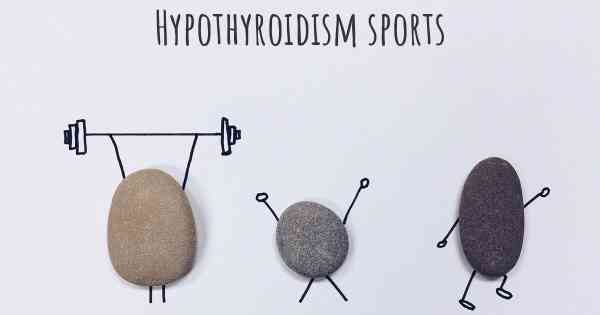
Hypothyroidism sports

Regular exercise is highly recommended for individuals managing Hypothyroidism, as it helps combat fatigue, supports metabolic health, and improves mood. When cleared by a physician, a consistent, low-to-moderate intensity routine is safe and essential for managing the systemic effects of this condition.


Why is exercise beneficial for Hypothyroidism?


Living with Hypothyroidism often leads to decreased metabolic rate, muscle weakness, and joint stiffness. Engaging in physical activity helps counteract these symptoms by boosting energy levels and supporting weight management. For the 217 community members on DiseaseMaps.org living with Hypothyroidism, movement is often reported as a key strategy for improving daily stamina and mental well-being.


What types of exercise are recommended?


For those with Hypothyroidism, it is best to start with low-impact activities that do not overstress the cardiovascular system or joints. Recommended activities include:


  • Walking: A gentle, accessible way to improve cardiovascular health.

  • Swimming or Water Aerobics: Provides resistance while supporting the joints.

  • Yoga or Pilates: Excellent for improving flexibility and reducing stress.

  • Strength Training: Using light resistance (bands or light weights) 2-3 times per week helps maintain muscle mass, which is often affected by Hypothyroidism.


How can you start an exercise program safely?


Before beginning, always obtain medical clearance from your endocrinologist to ensure your hormone levels are stable. Start slowly, perhaps with 10–15 minutes of light activity, and gradually increase duration as your energy permits. If you experience extreme fatigue, utilize "pacing"—short, frequent bursts of movement rather than one long, intense session. Physical therapy can be particularly helpful for those with Hypothyroidism who experience persistent joint pain or muscle weakness, as a therapist can design a personalized, gentle rehabilitation plan.


Are there activities to avoid?


Avoid high-intensity interval training (HIIT) or extreme endurance sports until you have built a solid foundation, as excessive stress can sometimes exacerbate fatigue in patients with Hypothyroidism. Always listen to your body; if you feel lightheaded or excessively sore, take a rest day.


Next steps


  • Consult your endocrinologist to ensure your thyroid medication dosage is optimal before starting a new routine.

  • Start a simple tracking log to monitor your energy levels before and after exercise.

  • Join the Hypothyroidism community on DiseaseMaps.org to share experiences and motivation with others.

  • Consider a consultation with a physical therapist specializing in metabolic or endocrine health.


Medical disclaimer: This content is for informational purposes only and does not replace professional medical advice, diagnosis, or treatment.


References


  • American Thyroid Association (thyroid.org)

  • NIH National Institute of Diabetes and Digestive and Kidney Diseases (niddk.nih.gov)

  • Hormone Health Network (hormone.org)

  • PubMed: Clinical studies on exercise and metabolic health in thyroid disorders

Author: DiseaseMaps Editorial Team
Reviewed against authoritative medical sources (NIH GARD, Orphanet, OMIM)
Last updated: 2026-05-08
Sources cited: American Thyroid Association (thyroid.org) · NIH National Institute of Diabetes and Digestive and Kidney Diseases (niddk.nih.gov) · Hormone Health Network (hormone.org) · PubMed: Clinical studies on exercise and metabolic health in thyroid disorders · WHO
Medical disclaimer: This information does not substitute professional medical advice. Always consult your doctor before making health decisions.
Source: DiseaseMaps.org
7 answers
yes. any activity at a moderate level.

Posted Mar 30, 2017 by Jade 1020
the best exercise is a mix of cardio and yoga. Cardio because is the best exercise to lose weight and yoga because in my personal opinion I suffer from anxiety so this is a good exercise that keeps me balance and relax.
40 min of daily exercise is enough.

Posted May 2, 2017 by Karla 1000
Yes...continuing with exercise will benefit your overall health

Posted Dec 30, 2019 by Debbie 4050
Translated from spanish Improve translation
If it is recommended minimum walking 39 min daily

Posted Jul 23, 2017 by Mary 1650
Translated from spanish Improve translation
Totally, the sport as they say is life, and this would provide us with relaxation and to be in a state free of anxiety in addition that helps us to cope with the depression and the extreme fatigue , it is advisable to for example dancing, walking at a moderate pace, cycling, yoga, swimming .

Posted Sep 14, 2017 by Lisseth Carolina 2100
Translated from spanish Improve translation
Totally, helps you to generate states of mind optimal, improves your circulation

Posted Oct 3, 2017 by Itabel 600
Hypothyroidism sports

Hypothyroidism life expectancy

What is the life expectancy of someone with Hypothyroidism?

6 answers
Celebrities with Hypothyroidism

Celebrities with Hypothyroidism

2 answers
Is Hypothyroidism hereditary?

Is Hypothyroidism hereditary?

4 answers
Is Hypothyroidism contagious?

Is Hypothyroidism contagious?

4 answers
ICD9 and ICD10 codes of Hypothyroidism

ICD10 code of Hypothyroidism and ICD9 code

2 answers
Natural treatment of Hypothyroidism

Is there any natural treatment for Hypothyroidism?

3 answers
Living with Hypothyroidism

Living with Hypothyroidism. How to live with Hypothyroidism?

6 answers
Hypothyroidism diet

Hypothyroidism diet. Is there a diet which improves the quality of life of ...

8 answers

World map of Hypothyroidism

Find people with Hypothyroidism through the map. Connect with them and share experiences. Join the Hypothyroidism community.

Stories of Hypothyroidism

HYPOTHYROIDISM STORIES
Hypothyroidism stories
Hi.  I myself don't have Tourette but my two boys do and also my husband. My husband didn't realize that was what he had until after my oldest was diagnosed.  It was a big eye opener for him.  My boys are 15 & 8. They were diagnosed at 10 & 5. The...
Hypothyroidism stories
I was diagnosed 12 years ago at 58.  I think I had this disease for a long time but was never diagnosed properly.  It started out with sore tongue, weakness, tooth decay, rashes until an infectious disease doctor ran a series of blood work.  I hav...

Tell your story and help others

Tell my story

Hypothyroidism forum

HYPOTHYROIDISM FORUM

Ask a question and get answers from other users.

Ask a question

Find your symptoms soulmates

From now on you can add your symptoms in diseasemaps and find your symptoms soulmates. Symptoms soulmates are people with similar symptoms to you.

Symptoms soulmates

Add your symptoms and discover your soulmates map

Soulmates map