Short answer · Medically reviewed summary · Last updated: 2026-04-07
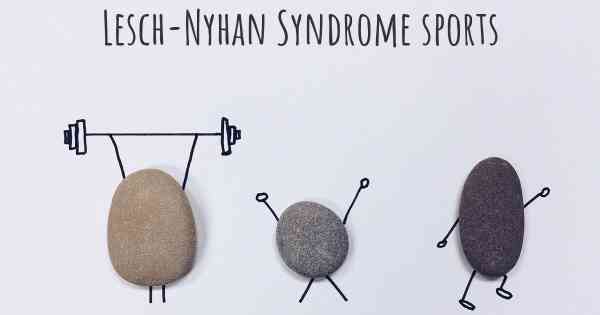
Physical activity is highly recommended for individuals with Lesch-Nyhan syndrome, as it plays a crucial role in maintaining joint range of motion, managing muscle tone, and improving overall well-being. While Lesch-Nyhan syndrome presents unique challenges due to involuntary movements and self-injurious behaviors, a medically supervised, adapted exercise program can significantly enhance quality of life and physical function. Is exercise safe and beneficial for those with Lesch-Nyhan syndrome? Yes, exercise is generally beneficial for people living with Lesch-Nyhan syndrome.
Physical activity is highly recommended for individuals with Lesch-Nyhan syndrome, as it plays a crucial role in maintaining joint range of motion, managing muscle tone, and improving overall well-being. While Lesch-Nyhan syndrome presents unique challenges due to involuntary movements and self-injurious behaviors, a medically supervised, adapted exercise program can significantly enhance quality of life and physical function.
Yes, exercise is generally beneficial for people living with Lesch-Nyhan syndrome. Because this condition is characterized by dystonia, choreoathetosis, and spasticity, regular physical activity is essential to prevent contractures and muscle atrophy. For the 78 members of our DiseaseMaps community, movement is often a key component of a holistic management plan. Exercise does not need to be high-intensity to be effective; rather, the focus should be on consistent, low-impact movement that promotes flexibility and cardiovascular health while minimizing the risk of injury during involuntary movements.
The most effective activities for Lesch-Nyhan syndrome are those that provide stability and support. Because balance and coordination are often affected, choosing activities that reduce the risk of falls is paramount. Recommended activities include:
Safety is the top priority when exercising with Lesch-Nyhan syndrome. It is essential to work closely with a physical therapist to design a routine that accounts for the individual’s specific motor challenges. On "bad days," when dystonia or self-injurious urges may be more pronounced, it is perfectly acceptable to prioritize gentle, repetitive motions or focus solely on sensory-based relaxation techniques rather than physical exertion. Pacing is critical; start with 5–10 minutes of activity and gradually increase duration only as tolerated, ensuring the environment is free of sharp edges or hard surfaces that could cause injury during a sudden spasm.
Individuals with Lesch-Nyhan syndrome should avoid high-impact activities or contact sports that pose a significant risk of falls or trauma. Activities requiring complex balance, such as unassisted walking on uneven terrain or cycling on a standard bicycle, are generally contraindicated due to the high likelihood of injury from involuntary movements. Always ensure that any exercise equipment is padded and that the individual is properly secured to avoid accidental self-injury.
Medical disclaimer: This information is for educational purposes only and should not replace professional medical advice, diagnosis, or treatment from a qualified healthcare provider.