6
Is it advisable to do exercise when affected by Rheumatoid Arthritis? Which activities would you suggest and how intense should they be?
Exercise with Rheumatoid Arthritis: which activities patients recommend or avoid, and what the evidence says.
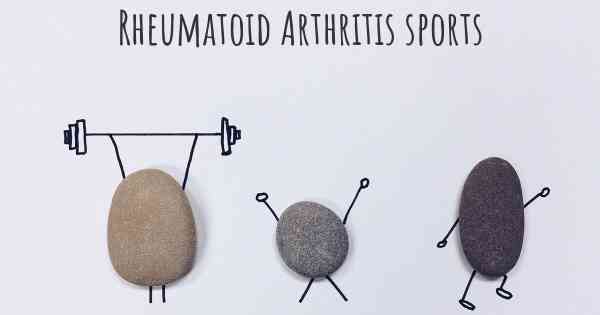
Yes, exercise is good for your RA, lightly during a flair. Easy on your swollen joints. Yoga, palates, are both good programs for RA. You can go at your own pace and limitations. Push yourself only as far as your body is comfortable that day. RA is unpredictable, everyday is different. So only exercise to your bodys limit. Walking isd another good exercise. Bike riding also.
Posted May 19, 2017 by Carissa 1100
Translated from portuguese
Improve translation
Yes, and under the supervision of a physical therapist.
Posted May 28, 2017 by Carlos Monero 1000
Translated from portuguese
Improve translation
Yes! The practice of physical exercise is very beneficial for patients with rheumatoid arthritis. Exercises that have low impact are recommended. Exercises that work on stretching can also assist in the conservation of the amplitude of the movements of the joints.
Posted May 28, 2017 by Daniela 1000
Translated from portuguese
Improve translation
What to get, I do not practice cuz every time that I practice, cancer.
Posted May 28, 2017 by Ana 1000
Translated from spanish
Improve translation
Say swimming, but I do not goes well,by the "force" that you do for swimming or diving.
I played football, and I had to leave.
Ahota I comfort myself with to be a coach, but gradually, the pains make me thinking about the withdrawal.
I played football, and I had to leave.
Ahota I comfort myself with to be a coach, but gradually, the pains make me thinking about the withdrawal.
Posted Nov 15, 2017 by Pedro 1500