Short answer · Medically reviewed summary · Last updated: 2026-05-08
There is currently no specific "skin cancer diet" proven to cure or directly treat skin cancer, but maintaining a balanced, nutrient-dense diet can support your immune system and overall quality of life during treatment. While dietary choices cannot replace medical interventions like surgery or immunotherapy, focusing on antioxidants and anti-inflammatory foods may help your body manage the physiological stress associated with skin cancer recovery. How can nutrition support those living with skin cancer? For patients navigating skin cancer, nutrition serves as a supportive pillar rather than a primary treatment.
There is currently no specific "skin cancer diet" proven to cure or directly treat skin cancer, but maintaining a balanced, nutrient-dense diet can support your immune system and overall quality of life during treatment. While dietary choices cannot replace medical interventions like surgery or immunotherapy, focusing on antioxidants and anti-inflammatory foods may help your body manage the physiological stress associated with skin cancer recovery.
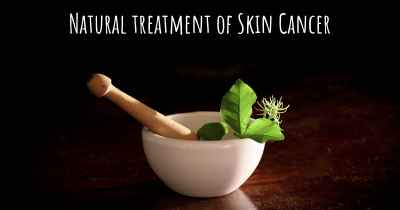
For patients navigating skin cancer, nutrition serves as a supportive pillar rather than a primary treatment. A diet rich in colorful vegetables and fruits provides phytochemicals that help combat oxidative stress. While there is no evidence that a specific diet, such as the ketogenic or elimination diet, can stop skin cancer progression, focusing on overall wellness helps mitigate the fatigue often associated with systemic therapies.
Research suggests that certain nutrients may bolster skin health, though evidence levels vary. The following list highlights items frequently discussed in dermatological nutrition:
High intake of processed sugars and ultra-processed foods is associated with systemic inflammation, which can hinder the body's natural healing processes. Furthermore, some studies suggest that high-glycemic diets may be linked to increased inflammatory markers, which is generally discouraged for anyone managing a chronic condition like skin cancer.
If you are undergoing immunotherapy or targeted therapy for skin cancer, certain dietary supplements (especially high-dose antioxidants) may potentially interfere with the efficacy of your treatment. Always consult your oncologist before starting any supplement, as they can interact with the metabolic pathways of your specific skin cancer medication.
Medical disclaimer: This information is for educational purposes and does not replace professional medical advice; always consult your healthcare provider before making significant dietary changes.