Short answer · Medically reviewed summary · Last updated: 2026-05-08
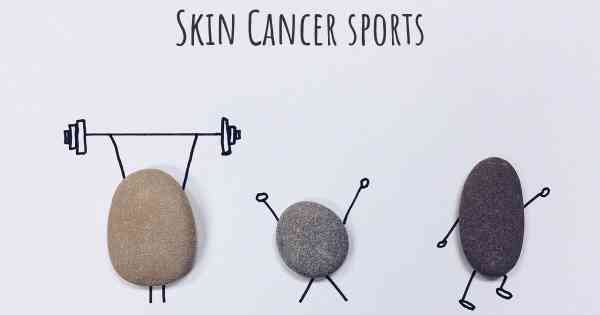
Yes, exercise is generally highly recommended for individuals with Skin Cancer, as it can improve immune function, reduce treatment-related fatigue, and boost mental well-being. Provided you have medical clearance, movement is a safe and powerful tool for managing the physical and emotional challenges that come with a Skin Cancer diagnosis. Is it safe to exercise with Skin Cancer? For most patients, staying active is beneficial, but you must approach exercise with caution regarding sun exposure.
Yes, exercise is generally highly recommended for individuals with Skin Cancer, as it can improve immune function, reduce treatment-related fatigue, and boost mental well-being. Provided you have medical clearance, movement is a safe and powerful tool for managing the physical and emotional challenges that come with a Skin Cancer diagnosis.
For most patients, staying active is beneficial, but you must approach exercise with caution regarding sun exposure. Because Skin Cancer patients must limit UV radiation, outdoor activities should be avoided during peak sun hours (10:00 AM to 4:00 PM). Always use broad-spectrum sunscreen (SPF 30+), wear UPF-rated clothing, and choose shaded areas or indoor facilities to protect your skin while you remain active.
Low-to-moderate intensity exercises are often best, especially during active treatment. Focus on movements that improve circulation and strength without overtaxing your body. Recommended activities include:
It is vital to listen to your body and utilize "pacing" strategies. If you are experiencing fatigue—a common symptom for those undergoing Skin Cancer treatment—do not force high-intensity workouts. Instead, break your activity into 10-minute segments throughout the day. If you have undergone surgery for Skin Cancer, consult your surgeon before beginning any weight-bearing exercises to ensure your incision sites are fully healed and protected from tension.
Medical Disclaimer: This information is for educational purposes only and does not replace professional medical advice, diagnosis, or treatment.