Short answer · Medically reviewed summary · Last updated: 2026-05-08
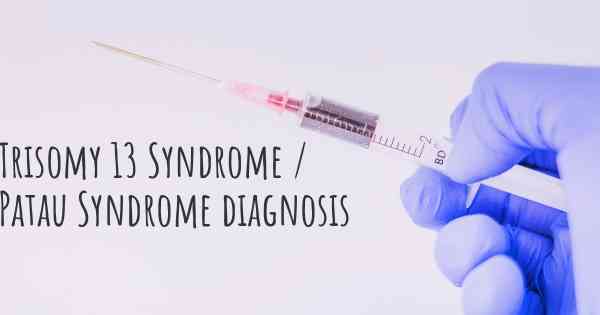
TL;DR: Trisomy 13 Syndrome, also known as Patau Syndrome, is primarily diagnosed through genetic testing, such as a karyotype or chromosomal microarray, which identifies the presence of an extra copy of chromosome 13 in the body's cells. While physical clinical features often raise initial suspicion during pregnancy or at birth, definitive diagnosis requires confirmation via these specialized genetic laboratory studies. How is Trisomy 13 Syndrome diagnosed? The diagnostic process for Trisomy 13 Syndrome typically begins with the identification of physical features via prenatal ultrasound or clinical examination after birth.
TL;DR: Trisomy 13 Syndrome, also known as Patau Syndrome, is primarily diagnosed through genetic testing, such as a karyotype or chromosomal microarray, which identifies the presence of an extra copy of chromosome 13 in the body's cells. While physical clinical features often raise initial suspicion during pregnancy or at birth, definitive diagnosis requires confirmation via these specialized genetic laboratory studies.
The diagnostic process for Trisomy 13 Syndrome typically begins with the identification of physical features via prenatal ultrasound or clinical examination after birth. Because the condition involves systemic developmental issues, doctors may observe specific patterns such as microcephaly, polydactyly, or heart defects. To confirm Patau Syndrome, clinicians use definitive genetic testing:
Diagnosing Trisomy 13 Syndrome is a multidisciplinary effort. It usually involves a clinical geneticist, a perinatologist (if diagnosed prenatally), and a neonatologist. Because Patau Syndrome affects multiple organ systems, pediatric cardiologists, neurologists, and ophthalmologists are often consulted early to assess the full clinical picture and provide necessary care.
We understand that the path to a diagnosis can be incredibly draining, often involving uncertainty and repetitive testing. While Trisomy 13 Syndrome is often identified quickly due to distinct physical findings, families may still face a "diagnostic odyssey" if the condition is mosaic or if symptoms are less typical. Our 31 community members at DiseaseMaps.org know that navigating the medical system is challenging, and we validate the frustration that comes with seeking clear answers during such a high-stress time.
Clinicians must perform a differential diagnosis to distinguish Trisomy 13 Syndrome from other chromosomal abnormalities, such as Trisomy 18 (Edwards Syndrome) or certain severe genetic syndromes like Meckel-Gruber syndrome. Seeking a specialist who is familiar with rare chromosomal disorders is essential, as general practitioners may not be equipped to interpret the complex genetic reports associated with Patau Syndrome.
Medical disclaimer: This information is for educational purposes only and should not replace professional medical advice, diagnosis, or treatment.