Short answer · Medically reviewed summary · Last updated: 2026-05-08
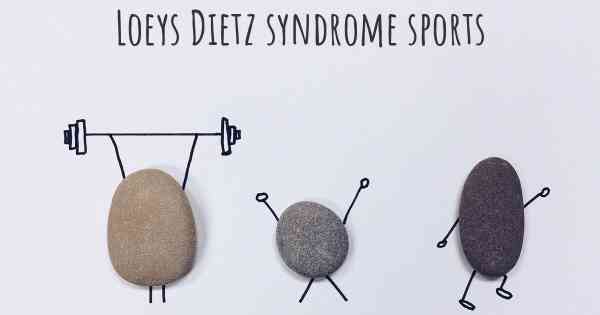
For individuals with Loeys-Dietz syndrome, physical activity is generally encouraged to maintain cardiovascular and musculoskeletal health, provided it avoids high-intensity, isometric, or contact-based strain. You should always obtain clearance from your cardiologist before starting, as managing Loeys-Dietz syndrome requires a personalized approach that prioritizes aortic stability. Is exercise safe with Loeys-Dietz syndrome? Living with Loeys-Dietz syndrome often leads to anxiety regarding physical exertion due to the risk of aortic dissection or aneurysm.
5 people with Loeys Dietz syndrome have shared their first-person experience on this question at DiseaseMaps.
For individuals with Loeys-Dietz syndrome, physical activity is generally encouraged to maintain cardiovascular and musculoskeletal health, provided it avoids high-intensity, isometric, or contact-based strain. You should always obtain clearance from your cardiologist before starting, as managing Loeys-Dietz syndrome requires a personalized approach that prioritizes aortic stability.
Living with Loeys-Dietz syndrome often leads to anxiety regarding physical exertion due to the risk of aortic dissection or aneurysm. However, total inactivity can lead to deconditioning, which may worsen joint pain and fatigue. Exercise for Loeys-Dietz syndrome patients is beneficial when focused on low-impact movement that avoids rapid blood pressure spikes.
Safe exercise for Loeys-Dietz syndrome focuses on aerobic maintenance and core stability without excessive strain. Recommended activities include:
Patients with Loeys-Dietz syndrome must avoid activities that cause sudden, significant increases in blood pressure or put the aorta under stress. This includes heavy weightlifting (especially maneuvers that involve holding your breath, known as the Valsalva maneuver), contact sports like football or rugby, and high-intensity interval training (HIIT).
Always begin by consulting your cardiologist to confirm your current aortic dimensions and blood pressure stability. Start by tracking your heart rate and using the "talk test"—you should be able to carry on a conversation while exercising. If you have "bad days" with joint pain or fatigue, utilize pacing strategies: reduce the duration or intensity rather than stopping completely, and prioritize rest to allow for recovery.
Medical disclaimer: This information is for educational purposes and does not replace professional medical advice, diagnosis, or treatment from your healthcare provider.